

Fodele village, 3 km away from the venue, is an idyllic village, which extends in a verdant oasis full of orange and lemon groves, colourful flowers and running waters. The fertile valley of Fodele is crossed by the river Pantomantris and is surrounded by mountains with high wild trees and caves. Historians suggest that Fodele Bay was the original site of the ancient town of Astali, which was the port of ancient Axos. Here, too, the famous Greek painter, Dominicus Theotokopoulos (better known as El Greco) was born in 1545.
Link: https://www.agiapelagia.com/Fodele/Fodele-traditional-rural-village.html
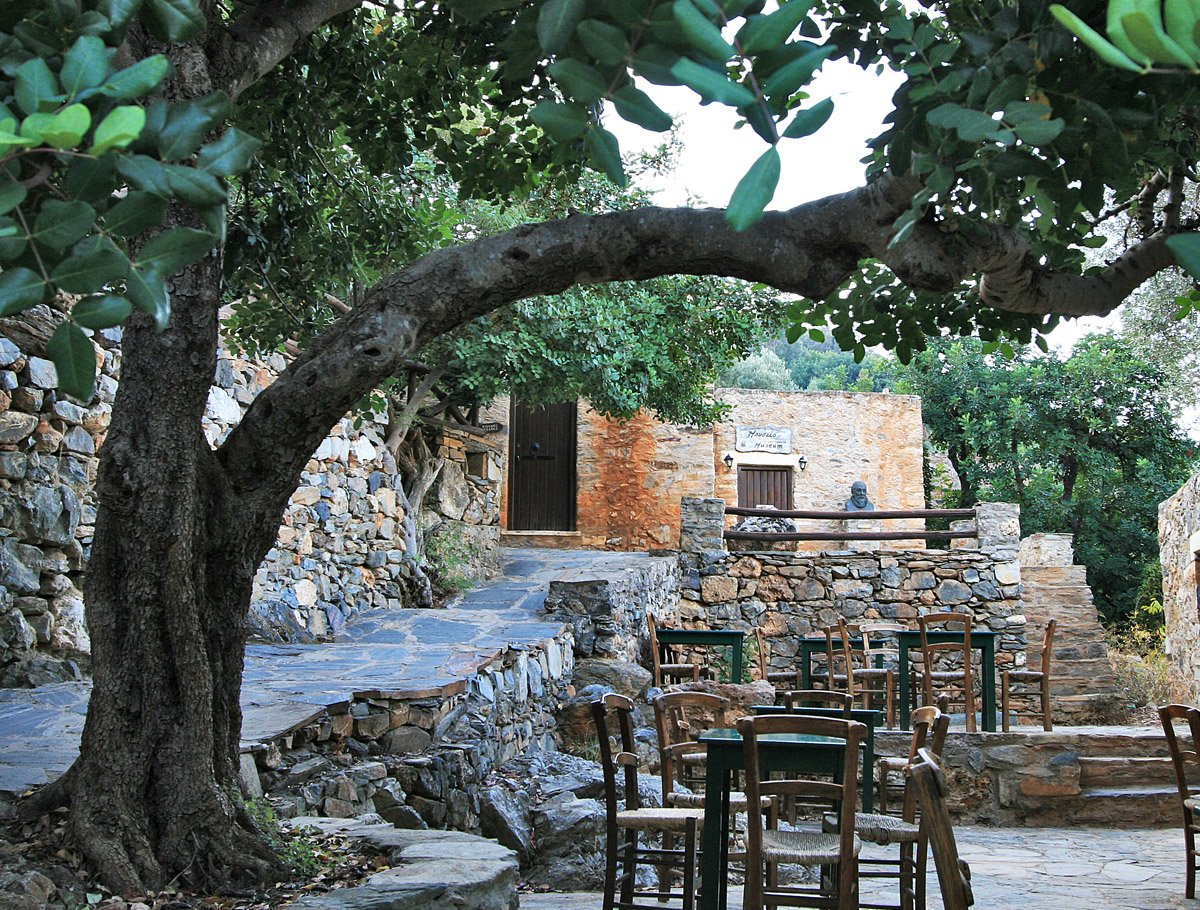
Fodele. Museum of "El Greco".
Heraklion: Heraklion, located 25km from the Venue, is the capital of Crete, the largest urban centre in Crete and the economic centre of the island with approximately 200,000 people. The town of Heraklion is a vibrant small metropolis and combines urban scenery, archaeological and cultural heritage with natural beauty.
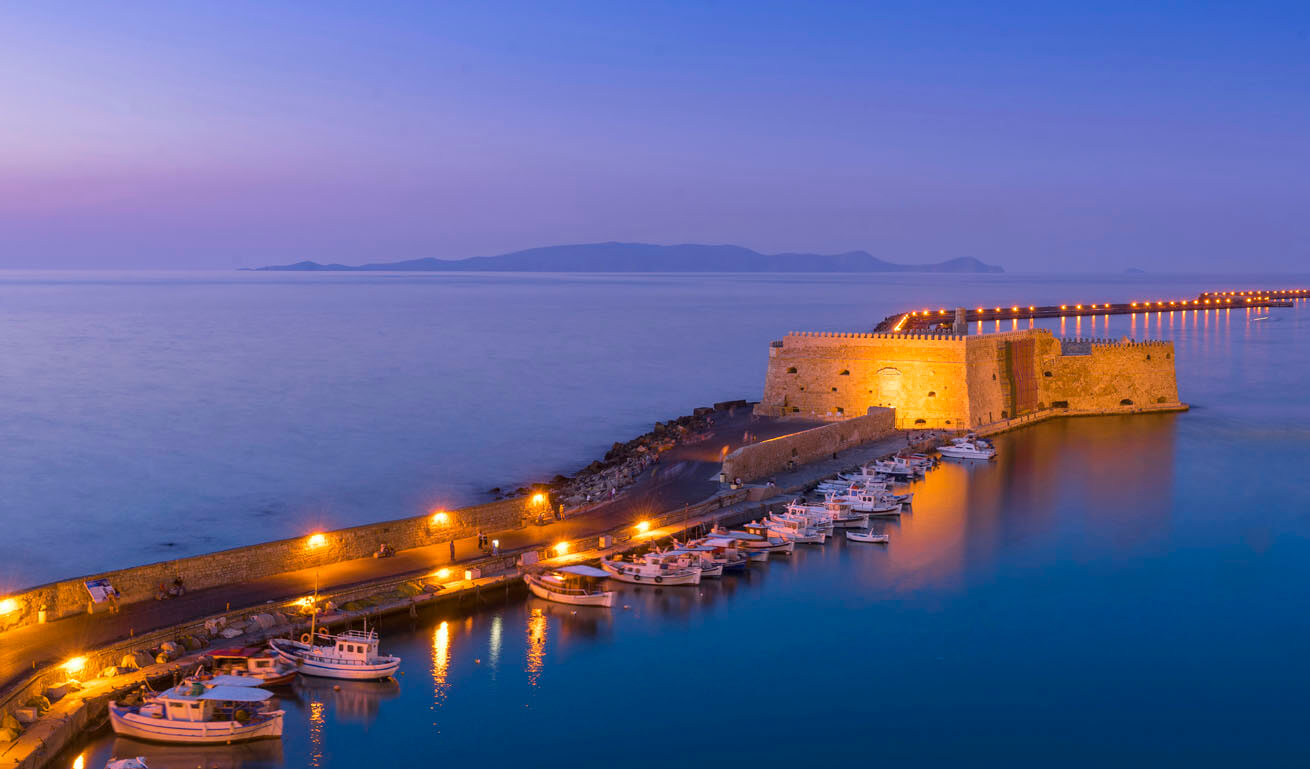
The old port of Heraklion.
The first European civilization, the Minoan civilization, flourished on this land 5000 years ago and can still be experienced today by visiting the ancient palace of Knossos Archaeological Site and the Archeological Museum of Heraklion.
During the last 20 years the city has also made remarkable advances in the academic and technological fields as it hosts the University of Crete and the Foundation of Research and Technology Hellas.
Link: https://www.oreotravel.com/blog/heraklion-old-town/
The island of Crete
Crete is the most southern region of Greece and Europe, separating the Aegean Sea from the Libyan Sea it marks a physical boundary between Europe and Africa. It is the largest Greek island and one of the largest in the Mediterranean basin, with a total surface of 8,336 km², 1,100 km of coastline and approximately 623,000 inhabitants.
The island of Crete boasts a long and turbulent history and a fascinating culture. Cultural influences from other civilizations of the West and the East, as well as the remains of the glorious Minoan civilization (c. 2700–1420 BC), are found across the island. This mix of civilizations has marked contemporary Cretan culture, which is still vibrant and distinctive as it has always been.
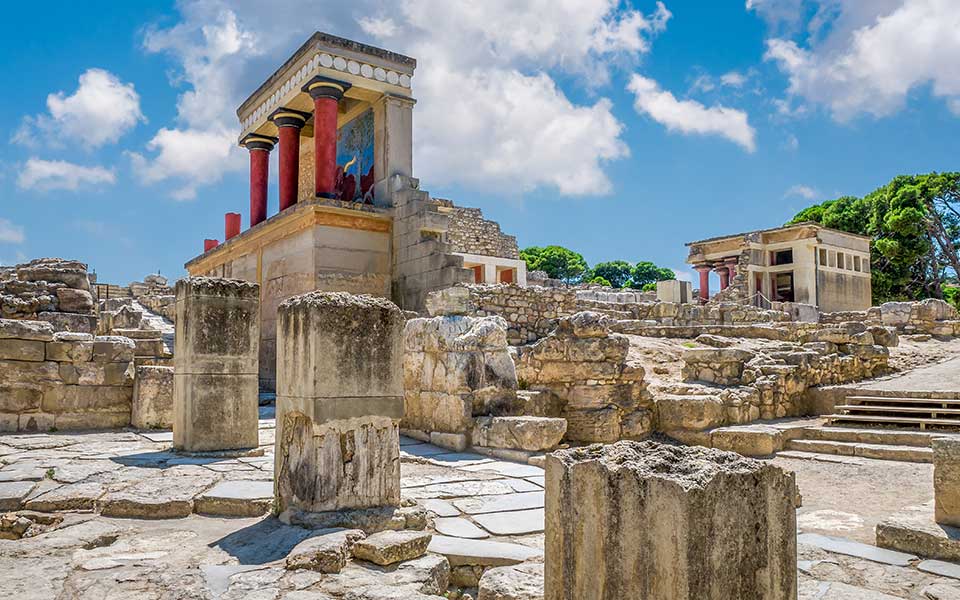
The Palace of Knossos
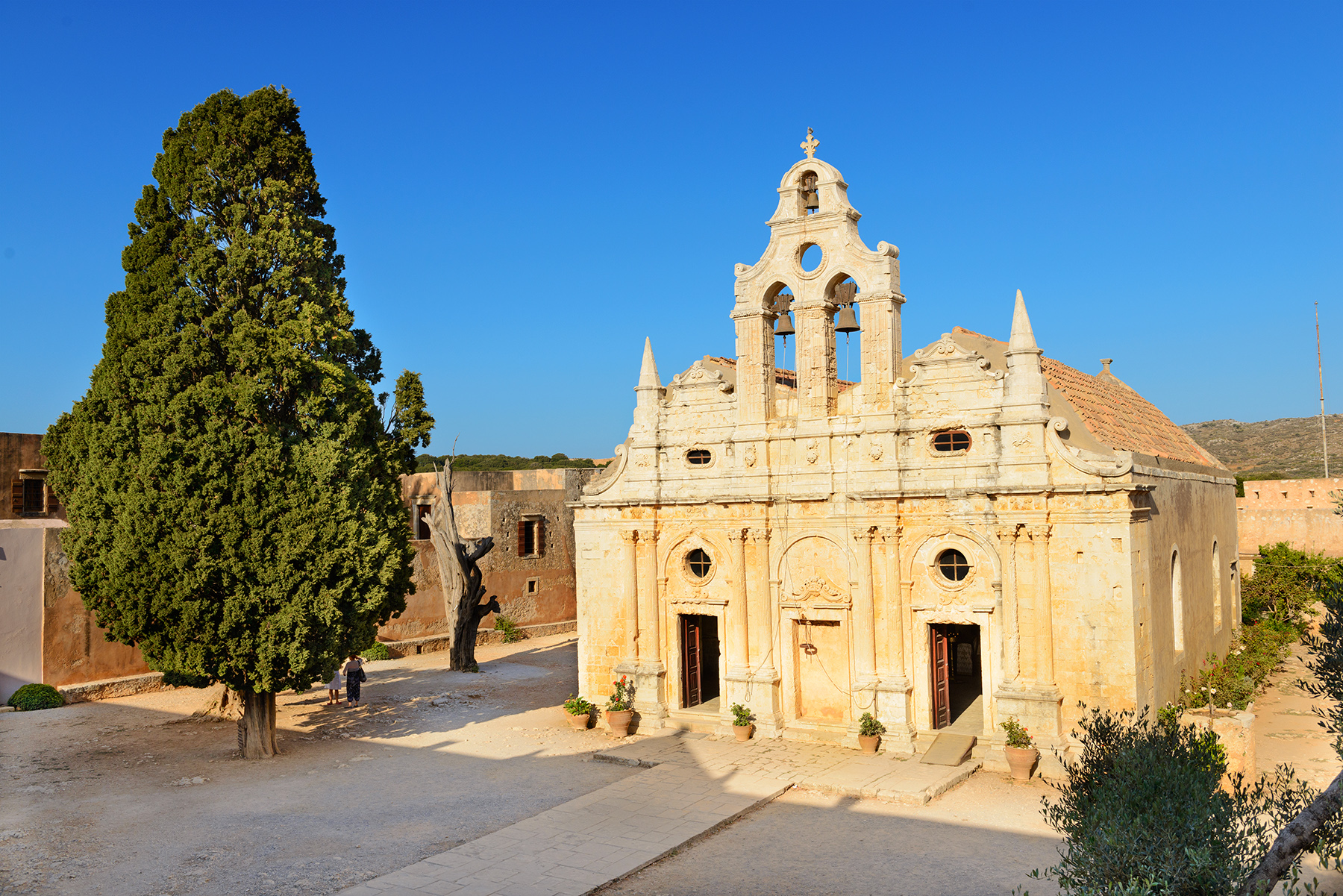
Arkadi monastery
The Cretan land encompasses an amazing variety of landscapes and landforms. Crete is renowned for its breathtaking mountain ranges, fertile valleys, plethora of caves, gorges and plateaus of exceptional beauty as well as for its long sandy beaches and clear blue seas. Historic and cultural attractions, Cretan traditions, traditional settlements, monuments, archaeological sites, social mores, the local proceedings, the Cretan cuisine, the natural environment, the folkloric richness, remarkable ecosystems and unique landscapes are waiting to be discovered.
The climate of Crete is characterized as mild and Mediterranean with four distinct seasons. It is mild Mediterranean – dry and warm, which means high sunshine all year round, very small seasonal changes in temperatures and no extreme weather phenomena. Average year temperature is 19°C. During May, expect the temperature to range between 18°C (at night) to 25°C.
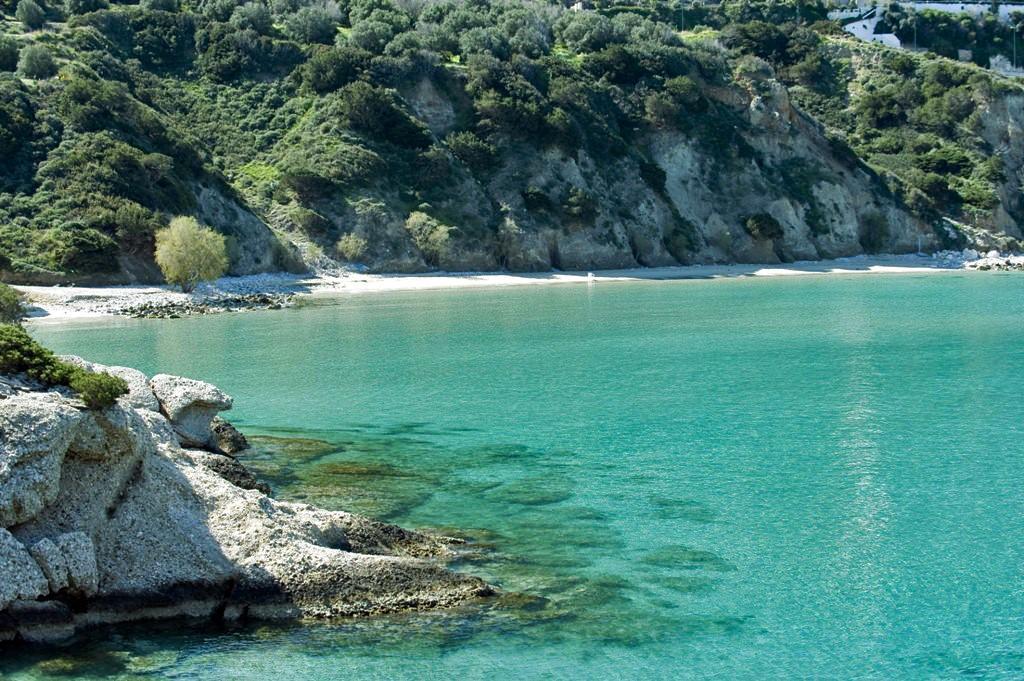
Voulisma beach
FEBS has twin commitments to high-quality publications and the promotion of molecular biosciences. As a charitable academic organization,
FEBS uses income from the journals to fund its diverse activities, including support for FEBS Advanced Courses.




A charitable organization advancing research in the
molecular life sciences across Europe and beyond.